
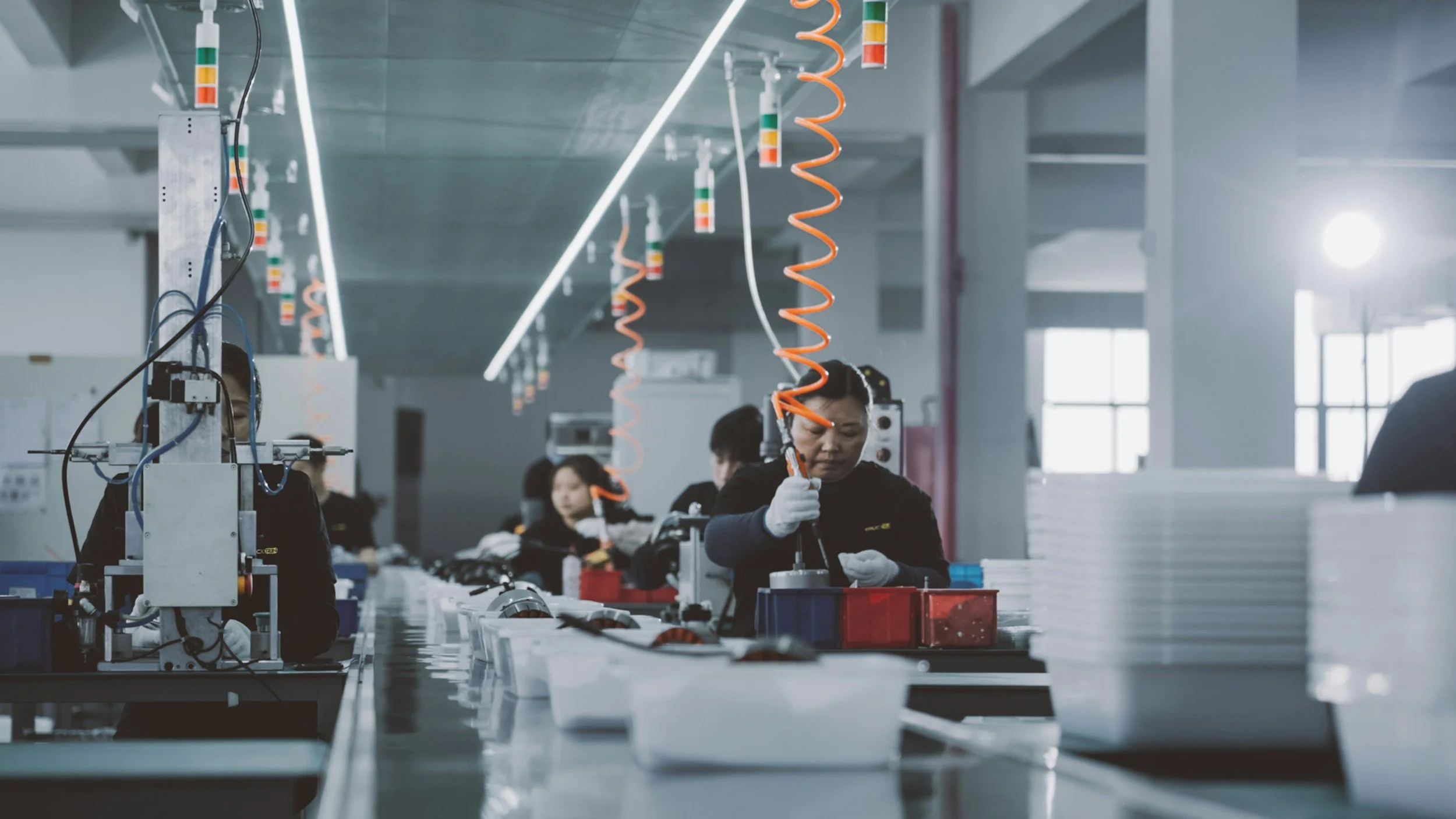

Project: General Motors
Paint Shop Management
Role: UX/UI Designer
Overview & Objective
Goal: Modernize a legacy plant-floor application to improve usability and production efficiency
Problem:
→ Existing system was built in an outdated language, causing frequent disruptions and user confusion
→ Inefficient workflows led to production slowdowns on the factory floor, resulting in overall loss of MFG profits
Solution:
→ Re-skinned the UI with a cleaner, more intuitive interface
→ Refined the overall user experience to streamline daily paint shop tasks
Key Outcome:
→ Improved clarity, speed, and productivity for plant floor personnel through a modernized, easy-to-navigate design
Business Context
The GM paint shop environment required a fast, seamless UX to support time-sensitive transactions
Workers often operated on tablets while wearing gloves, creating frustrating usability constraints
Existing system lacked speed and intuitive functionality, slowing down critical operations
Even a 5-minute delay could cost the company $150,000, translating to $7.8M in annual losses
Emphasizing efficiency, clarity, and responsiveness as top design priorities to minimize downtime in a high-stakes manufacturing setting
Discovery & Research
Conducted field research at the GM manufacturing plant in Arlington, Texas
Observed the production line workflow to understand user context and task flow
Interviewed plant floor manager to identify key pain points and usability challenges
Discovered issues with slow performance, tablet use with gloves, and UI scalability
Gained insights that reinforced the need for a fast, seamless UX for time-sensitive operations


Design Iteration Stage
After doing field research, I felt more confident in creating quick, iterative, high-fidelity designs based on user feedback
Some of these designs I shared with the client are shown below


Outcome & Impact
Conducted in-person usability testing, where users interacted with a clickable tablet prototype
Users were highly engaged — several noted it felt like a fully developed application, validating the realism of the design
Proposed touch-sensitive gloves to improve usability in glove-required environments, reducing task completion time by over 50%
Presented the designs showing significant time and cost savings — ultimately persuading leadership to move forward with full development
The implemented design doubled operational speed in the paint shop, showcasing the measurable business impact of strong UX